
Bouabid cited Morocco’s Mawazine Festival – which has over the years become a major promotional asset for the North African country – stressing that such events can only gather significant following once circumstances are settled.
Hoteliers and other industry stakeholders can only do so much to lure visitors back, indicated Bouabid, saying that low prices alone are not sufficient enough to overcome challenges.
On a positive note, Bouabid noted how the market showed a more stable picture between this February and the beginning of Ramadan – which marks the start of a traditionally slower period – noting that this improvement, however, came by sacrificing rates in favour of lower online prices, which were marketed through massive and extended promotions in order to compensate the lack of group travel and drive business volumes through individual bookings.
Finding new avenues of income certainly is a priority, given the fact that the industry supports some 470,000 jobs in the country, thus, the endeavours to resuscitate the sector, which suffered greatly in 2015 with tourism expenditure plunging from USD1.68 billion in 2014 to USD1.1 billion.
As Bachar noted, since summer 2015, authorities have deployed great efforts to restore tourism and promote the destination, especially to European markets.
Yet, in order to further strengthen the industry’s role in the nation’s socio-economic development, still much needs to be done.
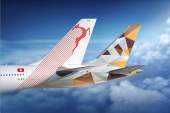
Bachar touched upon the importance of open skies agreements in order to improve accessibility and provide seamless travel options.
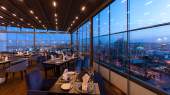
The continuous training and specialisation of those working in the sector and the thorough review of services provided at tourism related establishments, including hotels, restaurants and coffee houses, are also crucial, and so is the protection of the environment in order to welcome visitors to clean beaches, touristic sites, stations and other facilities.
Similar views have been voiced by Nejib Ben Ghachem, banqueting coordinator, Majestic Hotel Tunis, who brought the attention to the great importance of the first impression upon (or even before) arriving to the country by saying that detestable air services, both in air and on the ground, are real deal breakers for travellers.
“Secondly, most of the hotels need to improve the quality of services offered to guests,” admitted Ghachem, echoing Bacher’s sentiments that staff members need to do their best to make visitors feel welcome and well-looked after.
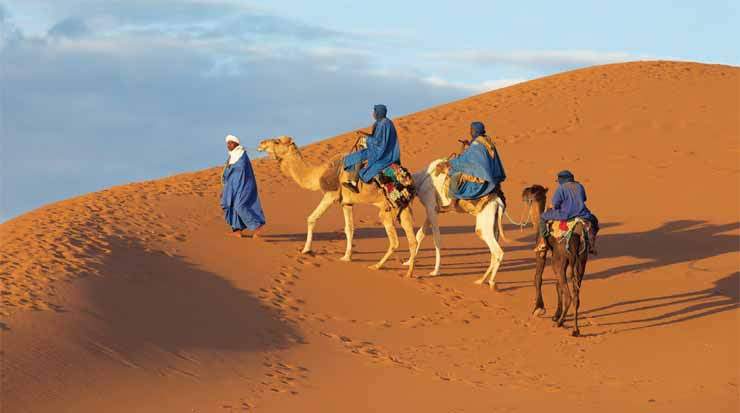
Last but certainly not least, enhancing the destination’s tourism product by highlighting country’s lesser-known sides besides its sun, sea and sand proposition, can open up new streams of income.
Grachem referred to cultural, Saharian, regional and even camping tourism, all of which are deemed promising niche segments.
Bachar also supported the diversification of the Tunisian offering, especially travel within the leisure segment, while calling on hotels and restaurants to review their pricing policy and on principal partners, such as tour operators to team up with local industry stakeholders and promote the destination through well-targeted advertising campaigns.
Once these actions are in place, large-scale events, possibly with headline acts or popular teams can be organised to promote the destination, recited Bouabid’s views Grachem, further adding that all in all, it is very much about ensuring a pleasant experience – in all aspects – from the moment of arrival up until departure.